
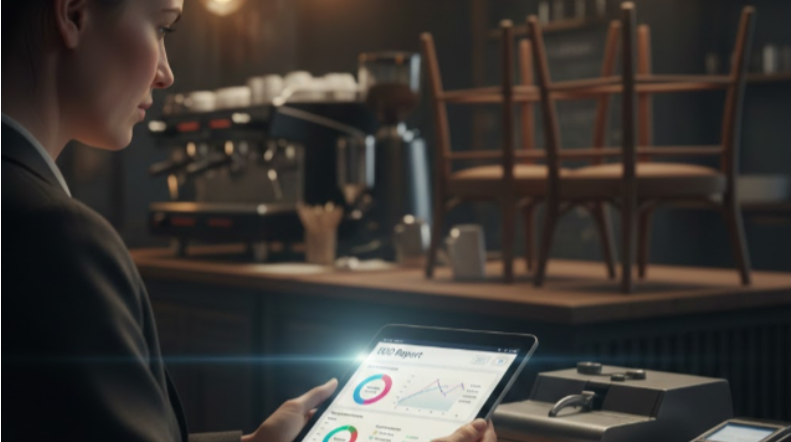
Running a restaurant is fast-paced, competitive, and demanding. Every day brings new customers, new challenges, and new financial activities. Because of this, a Daily Closing Report, also known as an End of Day (EOD) Report, is one of the most powerful tools a restaurant owner can use to maintain control, accuracy, and profitability.
Many restaurants skip this step due to time pressure, but the truth is simple:
👉 Restaurants that do daily closing reports perform better, avoid losses, and understand their business more clearly.
This guide explains why EOD reporting is essential and how it benefits restaurants of any size.
What Is a Daily Closing (EOD) Report?
A daily closing report is a summary of everything that happened in the restaurant during the day — sales, payments, cash in the drawer, expenses, staff activity, orders, and any operational issues.
It is usually generated through a POS system, which automatically collects and organizes the data so the owner or manager can review it quickly and accurately.
Why Restaurant Owners Should Do a Daily Closing Report
Below are the major reasons every restaurant should make EOD reporting a daily habit.
1. Ensures Accurate Cash Handling
Cash is one of the easiest areas for errors — and even losses — to occur. A daily EOD report helps ensure:
- The cash in the register matches the recorded sales
- Every note and coin is accounted for
- No “missing cash” goes unnoticed
- Cash discrepancies are caught immediately
When cash is checked every day, any issue can be addressed instantly instead of becoming a bigger problem later.
👉 Daily cash balancing prevents employee mistakes, theft, and accounting confusion.
2. Improves Shift Accountability
Every shift involves multiple staff members handling orders, payments, and refunds. With an EOD report, restaurant owners can track:
- Who was working during each shift
- Total sales per employee
- Discount or refund approvals
- Voided bills
- Cash drawer interactions
This creates transparent accountability. Staff become more careful and responsible when they know every activity is recorded and reviewed.
👉 A good POS system makes it easy to see who performed each action.
3. Provides Real-Time Financial Insights
When you analyze your numbers daily, you gain powerful insights such as:
- Which dishes sold the most today
- Which times of the day were busiest
- Which payment methods customers prefer
- Daily profit margin
- Daily operating expenses
These insights allow you to make smarter decisions, including adjusting your menu, pricing, staffing, or marketing.
👉 Restaurants that track daily data stay ahead of trends and reduce unnecessary costs.
4. Helps Control Inventory and Reduce Waste
Your daily closing report also reflects your product movement. You can easily detect:
- Items that are running low
- Ingredients being wasted
- Over-pouring in the bar
- Items that aren’t selling well
- Possible supplier issues
Daily monitoring prevents surprises like running out of items during peak hours or discovering that inventory levels are wrong at the end of the month.
👉 Consistent EOD reporting = better stock control = less wastage = higher profit.
5. Identifies Problems Quickly Before They Grow
Daily reports help catch issues early, such as:
- Unexpected drops in sales
- Suspicious voids or cancellations
- Repeated customer complaints
- Staff performance issues
- Equipment errors (printer, POS terminal, card reader, etc.)
Instead of discovering problems weeks later, restaurant owners can fix them the very next day.
6. Helps Improve Future Planning and Forecasting
EOD reports create a clear record of:
- Busy days vs. slow days
- Seasonal patterns
- Customer behaviour
- Staff performance trends
- Menu popularity changes
This information is extremely valuable when planning:
- Staff rosters
- Inventory purchasing
- Special promotions
- Weekly or monthly budgets
👉 Daily data builds long-term success.
7. Makes Accounting and Tax Preparation Much Easier
Instead of digging through months of unclear numbers, daily closing reports keep your finances clean and organized. This helps with:
- GST/BAS submissions
- Payroll reports
- Expense tracking
- Income statements
Your accountant (or you!) will save countless hours because everything is recorded systematically.
How a POS System Makes Daily Closing Easier
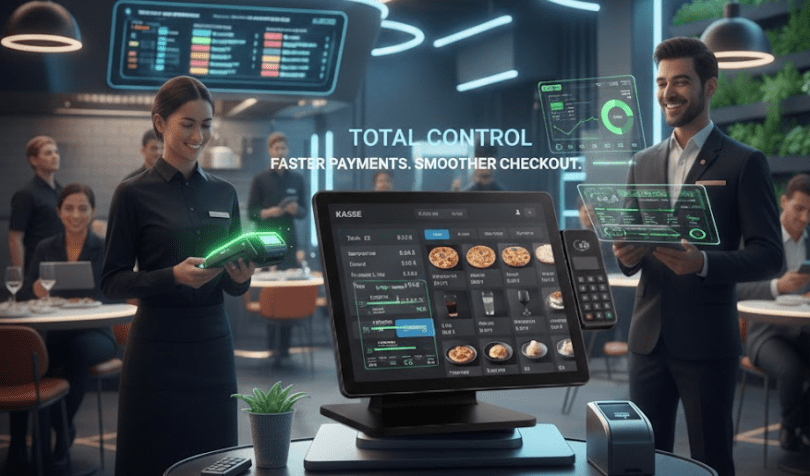
Doing EOD manually takes time and leads to errors. Modern restaurants use a POS system that automatically generates daily reports.
A good POS system can:
✔ Track daily sales by category ✔ Reconcile cash automatically ✔ Record staff activity and shift performance ✔ Generate reports in one click ✔ Send daily reports to the owner via email ✔ Reduce manual mistakes ✔ Improve security
Most importantly, it saves time and makes daily closing a smooth routine rather than a stressful task.

Final Thoughts
A Daily Closing Report is not just paperwork — it is a powerful management tool that helps restaurant owners stay in control of their finances, staff, and operations. When used consistently, it improves cash accuracy, reduces waste, strengthens accountability, and provides insights that drive better decision-making.
Restaurants that perform EOD reporting daily are more profitable, more efficient, and more secure.



Leave a Reply