

he restaurant industry is evolving faster than ever before. Changing customer expectations, the rapid growth of online ordering, and the increasing reliance on delivery platforms have reshaped how restaurants operate. In this dynamic environment, traditional systems are no longer enough. To stay competitive, efficient, and profitable, restaurants must embrace smarter technology. At the center of this transformation lies one essential tool: the smart POS system.
A smart POS system is no longer just a billing solution. It is the operational backbone that connects orders, payments, staff, kitchens, and customers into one seamless workflow. As restaurants look toward the future, adopting a smart POS system is not optional—it is essential.
The Changing Landscape of Restaurant Operations
Modern restaurants operate in a multi-channel environment. Orders now come from dine-in customers, takeaway requests, websites, mobile apps, and third-party delivery platforms. Managing all these channels manually or through outdated systems leads to inefficiencies, errors, and staff frustration.
Customers today expect speed, accuracy, transparency, and convenience. A delay in order processing, a missing item, or a billing error can quickly result in negative reviews and lost business. To meet these expectations, restaurants need systems that work faster, smarter, and more reliably than ever before.
What Makes a POS System “Smart”?
A smart POS system goes beyond basic sales transactions. It integrates hardware and software to provide real-time control over every aspect of restaurant operations. Key features typically include:
- Centralized order management
- Integration with delivery platforms
- Real-time sales tracking
- Inventory monitoring
- Staff management tools
- Smart reporting and analytics
- Seamless receipt printing
When combined with smart peripherals like all-in-one POS printers, the system becomes a powerful engine that drives operational efficiency.
Improving Speed and Workflow Efficiency
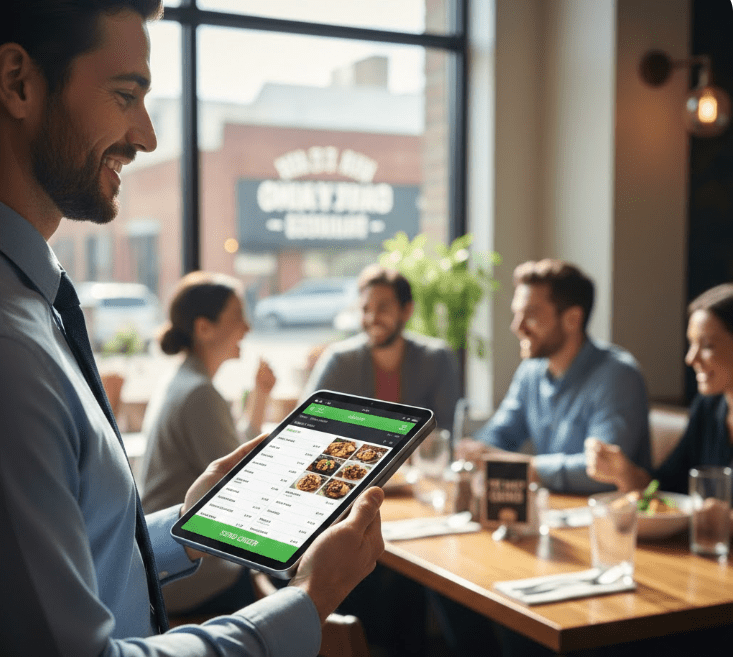
Speed is critical in the food service industry. A smart POS system automates order flow from the point of sale directly to the kitchen. Orders are instantly transmitted and printed, eliminating the need for manual communication or repeated confirmations.
This streamlined process allows kitchen staff to begin preparation immediately, reduces waiting times, and improves table turnover. During peak hours, this speed advantage can significantly increase the number of orders handled without compromising quality.
Faster workflows also reduce staff stress and improve coordination between front-of-house and kitchen teams.
Enhancing Order Accuracy
Errors are costly. Incorrect orders result in wasted ingredients, refunds, customer dissatisfaction, and damage to brand reputation. Smart POS systems minimize these risks by standardizing order entry and eliminating handwritten tickets or verbal communication.
Clear digital order data, combined with automated receipt printing, ensures that every detail—from modifiers to special instructions—is captured accurately. This consistency improves food quality, reduces waste, and builds customer trust.
Supporting Multi-Platform Ordering
One of the most significant advantages of smart POS systems is their ability to integrate with multiple ordering platforms. Restaurants no longer need separate devices or systems for each delivery service.
A smart POS system consolidates orders from:
- In-store sales
- Online ordering platforms
- Delivery apps
This centralized approach reduces confusion, prevents missed orders, and creates a more organized working environment. Staff can focus on service rather than managing multiple screens and devices.
Smarter Inventory and Cost Control
Inventory management is one of the biggest challenges in restaurant operations. Over-ordering leads to waste, while under-ordering results in stock shortages and lost sales.
Smart POS systems track sales in real time and automatically update inventory levels. Managers gain clear visibility into ingredient usage, best-selling items, and slow-moving stock. This data supports smarter purchasing decisions and better cost control.
Over time, improved inventory accuracy directly contributes to higher profit margins.
Data-Driven Decision Making
The future of restaurant success is data-driven. Smart POS systems provide detailed insights into sales trends, customer preferences, peak hours, and staff performance.
With access to accurate reports and analytics, restaurant owners can:
- Adjust menus based on performance
- Optimize staffing schedules
- Identify profitable items
- Improve promotional strategies
Instead of relying on guesswork, managers can make informed decisions that support long-term growth.
Improving Customer Experience
A smooth dining experience goes beyond good food. Customers value fast service, accurate billing, multiple payment options, and transparency.
Smart POS systems enhance the customer journey by:
- Speeding up checkout
- Reducing billing errors
- Supporting digital receipts
- Enabling loyalty programs
When customers experience consistent, efficient service, they are more likely to return, recommend the restaurant, and leave positive reviews.
Scalability for Future Growth
As restaurants grow, their systems must grow with them. Smart POS systems are designed to scale, whether a business expands to multiple locations, adds new delivery platforms, or increases order volume.
This scalability allows restaurants to adapt to market changes without replacing their entire infrastructure. Investing in a smart POS system today ensures readiness for future expansion and technological advancements.
The Role of Smart POS Hardware
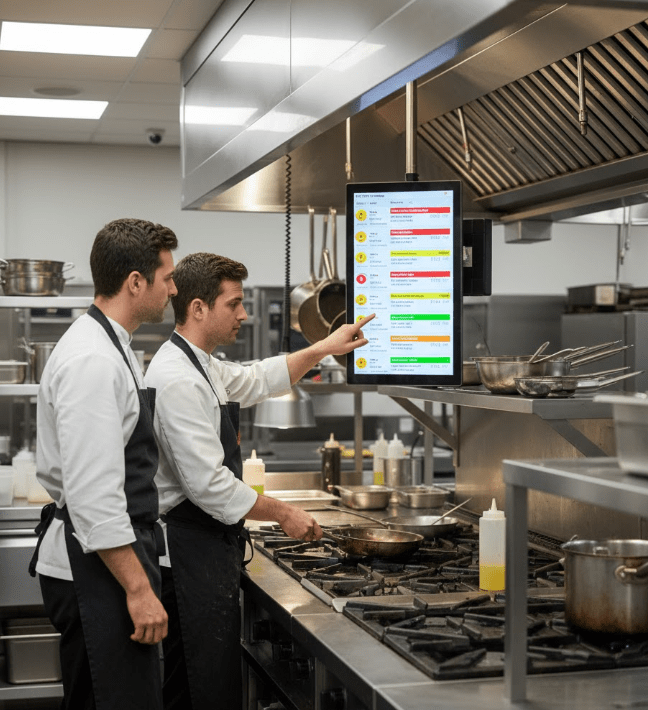
While software is essential, hardware plays an equally important role. Devices such as all-in-one POS printers ensure smooth communication between digital systems and physical operations.
Reliable printers ensure that orders are delivered clearly and instantly to the kitchen, maintaining consistency even during busy periods. When hardware and software work together seamlessly, operational efficiency reaches its highest level.
Conclusion: A Smart POS System Is the Future
The restaurant industry is becoming more complex, competitive, and technology-driven. Traditional methods are no longer sufficient to meet modern demands. A smart POS system provides the speed, accuracy, visibility, and flexibility required to succeed in this evolving landscape.
By centralizing operations, improving workflow efficiency, reducing errors, and enabling data-driven decisions, smart POS systems empower restaurants to operate smarter—not harder.
The future of restaurant operations starts with a smart POS system. Restaurants that embrace this technology today will be the ones leading the industry tomorrow.


Leave a Reply