
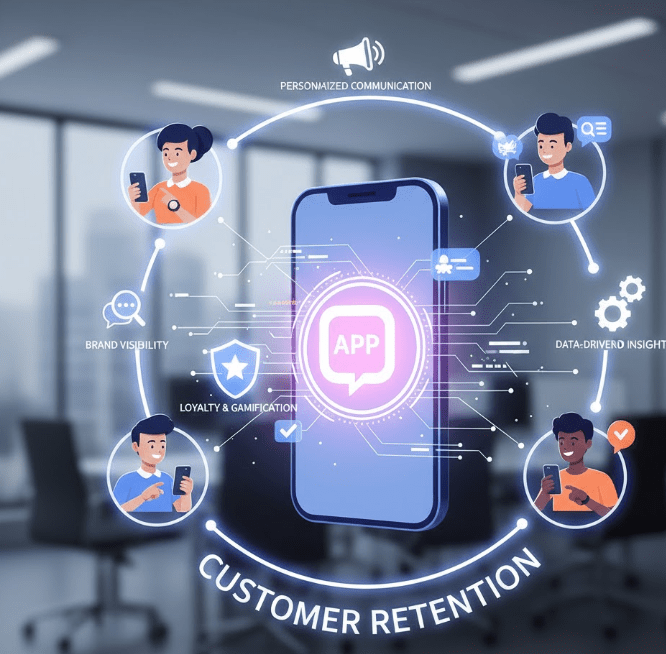
In today’s digital-first economy, mobile apps have become one of the most powerful tools for businesses to connect with their customers. With billions of smartphone users worldwide, companies across industries—from retail and hospitality to banking and healthcare—are investing heavily in mobile app development. But why are mobile apps so important? The answer lies in two key business drivers: customer engagement and customer retention.
A well-designed mobile app does more than just provide services. It creates meaningful, personalized, and ongoing interactions that keep customers connected to a brand. This article explores how mobile apps improve customer engagement and retention, and why businesses must prioritize mobile strategies to stay competitive.
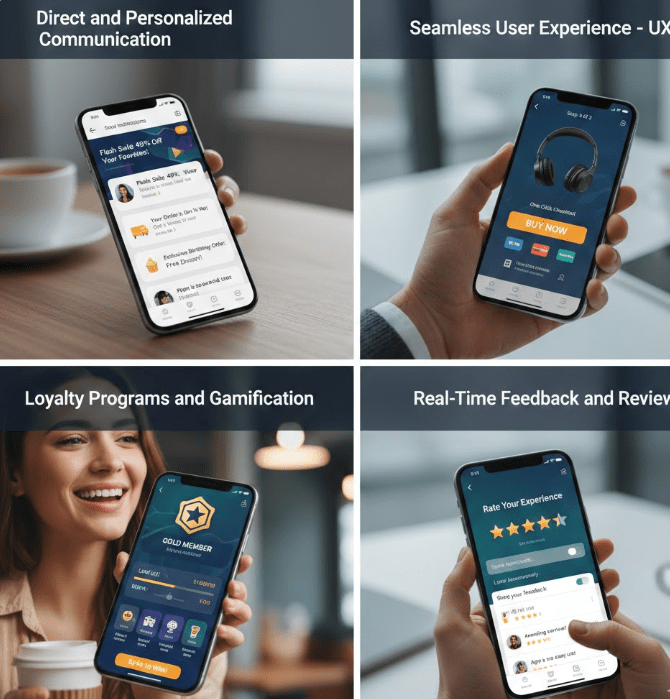
1. Direct and Personalized Communication
One of the biggest advantages of mobile apps is the ability to communicate directly with customers through push notifications. Unlike emails, which often go unread, push notifications appear instantly on users’ screens, making them highly effective for real-time engagement.
Businesses can send:
- Special promotions
- Order updates
- Personalized offers
- Event reminders
- Loyalty rewards
The key to success is personalization. Mobile apps collect user behavior data such as purchase history, browsing patterns, and preferences. This data enables businesses to deliver targeted messages that feel relevant rather than intrusive. When customers receive personalized recommendations, they are more likely to engage and make repeat purchases.
For example, e-commerce platforms like Amazon use advanced algorithms to recommend products based on previous searches and purchases. This level of personalization significantly increases customer engagement and repeat buying behavior.
2. Seamless User Experience (UX)
Customer engagement heavily depends on user experience. A mobile app provides a smoother, faster, and more convenient experience compared to mobile websites.
Key UX advantages include:
- Faster loading times
- One-click checkout
- Saved preferences
- Offline access
- Secure in-app payments
When customers find it easy to navigate and complete transactions, they are more likely to return. Frictionless experiences reduce abandonment rates and improve overall satisfaction.
Take the example of Uber. Its app simplifies ride booking to just a few taps. The seamless experience—from booking to payment—creates trust and convenience, which directly contributes to high retention rates.
3. Loyalty Programs and Gamification
Mobile apps make loyalty programs more accessible and engaging. Instead of traditional paper-based loyalty cards, businesses now integrate digital loyalty systems directly into their apps.
Features may include:
- Points tracking
- Tier-based rewards
- Exclusive member discounts
- Referral bonuses
- Gamified challenges
Gamification—adding elements like badges, rewards, and progress bars—makes customers feel motivated and recognized. This emotional connection strengthens brand loyalty.
For instance, Starbucks successfully uses its mobile app to offer rewards, collect points, and provide personalized offers. Customers frequently use the app not only to order but also to track rewards, which increases both engagement and repeat visits.
4. Data-Driven Insights for Better Engagement
Mobile apps allow businesses to collect valuable customer data ethically and securely. This includes:
- Session duration
- Click behavior
- Purchase frequency
- In-app navigation patterns
With this data, companies can analyze customer journeys and optimize features accordingly. If users drop off at a certain stage, businesses can redesign that part of the app to improve performance.
Data-driven insights help companies:
- Improve product recommendations
- Optimize marketing campaigns
- Identify high-value customers
- Predict churn risk
When businesses proactively respond to user behavior, customers feel understood and valued—leading to stronger retention.
5. Instant Customer Support
Customer satisfaction plays a crucial role in retention. Mobile apps provide integrated customer support options such as:
- Live chat
- Chatbots
- Help centers
- Ticket systems
- Direct call features
Immediate support reduces frustration and builds trust. Many companies now use AI-powered chatbots to provide 24/7 assistance.
For example, apps integrated with services like WhatsApp allow businesses to respond quickly to customer inquiries. Quick issue resolution significantly improves customer loyalty and positive brand perception.
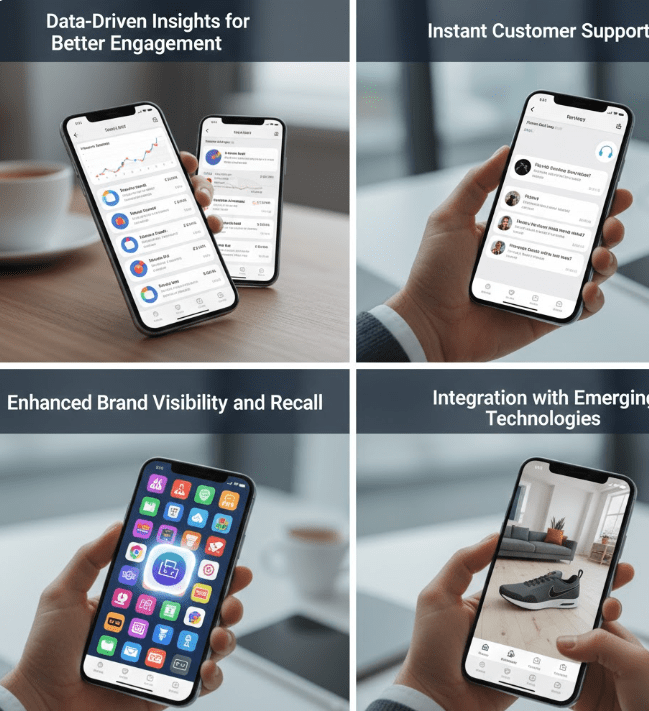
6. Enhanced Brand Visibility and Recall
When customers download an app, the brand icon stays on their home screen. This constant visibility increases brand recall compared to websites, which users must search for each time.
Every time customers unlock their phone, they see the app icon. This subtle yet powerful presence reinforces brand awareness and encourages frequent interaction.
Additionally, apps can integrate social sharing features. Customers can share purchases, reviews, or promotions directly through platforms like Instagram, expanding brand visibility organically.
7. Personalized Content and Experiences
Mobile apps allow businesses to create unique, customized experiences for each user. For example:
- Personalized dashboards
- Location-based offers
- Birthday discounts
- Customized product suggestions
Location-based services are particularly powerful. Apps can send notifications when customers are near a store, encouraging immediate visits.
Streaming platforms like Netflix use AI-driven personalization to recommend shows based on viewing habits. This keeps users engaged for longer periods and reduces subscription cancellations.
8. Improved Customer Retention Through Subscription Models
Many businesses use mobile apps to support subscription-based services. Subscription models encourage recurring revenue and consistent engagement.
Features such as:
- Auto-renewals
- Subscription reminders
- In-app account management
- Exclusive content
make it easier for customers to stay subscribed.
Fitness apps, learning platforms, and SaaS products all rely heavily on mobile apps to maintain subscriber engagement. When customers find consistent value in an app, they are less likely to switch to competitors.
9. Real-Time Feedback and Reviews
Mobile apps provide quick ways for customers to leave feedback. Businesses can include:
- Rating systems
- In-app surveys
- Feedback forms
- Review prompts
Real-time feedback allows companies to fix issues quickly and improve service quality. When customers see that their feedback leads to improvements, they develop trust and loyalty.
Positive reviews within the app ecosystem also influence new users, increasing both acquisition and retention rates.
10. Integration with Emerging Technologies
Modern mobile apps integrate technologies such as:
- Artificial Intelligence (AI)
- Augmented Reality (AR)
- Machine Learning (ML)
- Mobile wallets
These features enhance customer experience and increase engagement.
For example, AR features in retail apps allow customers to virtually try products before buying. AI-driven recommendation engines provide hyper-personalized experiences.
As technology evolves, mobile apps continue to serve as innovation hubs that strengthen long-term customer relationships.
Conclusion
Mobile apps are no longer optional—they are essential for businesses aiming to improve customer engagement and retention. Through personalized communication, seamless user experiences, loyalty programs, data analytics, and real-time support, mobile apps create meaningful and consistent interactions with customers.
Companies that invest in user-friendly, secure, and innovative mobile applications gain a competitive advantage in today’s crowded market. By focusing on personalization, value delivery, and continuous improvement, businesses can transform casual users into loyal brand advocates.
In a world where customer expectations continue to rise, mobile apps provide the tools needed to build stronger relationships, increase repeat purchases, and ensure long-term business success.
If businesses want to stay relevant and grow sustainably, embracing mobile app development is not just a strategy—it is a necessity.


Leave a Reply